How SMEs Can Build High-Performing Teams Without Overhiring
Knowing how SMEs can build high-performing teams is essential for businesses that want to grow without taking on unnecessary costs. For many small and medium-sized businesses (SMEs), the challenge is not simply finding talented people. It is knowing who to hire, when to hire, and what type of talent the business actually needs.
Hiring too quickly can increase costs, create management challenges, and leave a business with more employees than its workload requires. On the other hand, hiring too slowly can put pressure on an existing team and limit growth.
The solution is smart workforce planning.
Instead of measuring growth by headcount, SMEs should build teams around business needs. Depending on the role, this may mean hiring a full-time employee, working with a freelancer, engaging contract talent, or outsourcing an entire function.
In this guide, we explain how SMEs can build high-performing teams without overhiring and how to choose the right talent model for different business needs.
What Does a High-Performing Team Look Like?
A high-performing team is not simply a large team. It is a team with the right combination of skills, experience, accountability, and capacity to achieve business goals.
For an SME, a high-performing team should be able to:
- Complete important work efficiently.
- Meet customer expectations.
- Work toward clear business goals.
- Adapt when business needs change.
- Use resources responsibly.
- Fill critical skill gaps.
- Support sustainable business growth.
This means that adding more employees is not always the best way to improve performance.
Sometimes, the better solution is to improve existing processes, develop current employees, or bring in a specialist for a specific need.
What Is Overhiring?
Overhiring happens when a business employs more people than it currently needs.
For example, an SME may hire five people for a function that only requires two employees. The business then takes on additional salaries, equipment, training, management responsibilities, and other employment costs.
Overhiring can also happen when a business creates permanent positions for work that is temporary or project-based.
The problem is not hiring itself. The problem is hiring without a clear understanding of the business need.
Why SMEs Should Avoid Overhiring
Understanding how to avoid overhiring is an important part of building a high-performing team. Unnecessary hiring can affect both short-term cash flow and long-term business flexibility.
1. It increases fixed costs
Full-time employees usually create recurring costs such as salaries, benefits, equipment, training, and other employment expenses.
For a growing SME, these costs can become difficult to manage if revenue does not increase at the same rate.
2. It reduces workforce flexibility
Business needs change.
An SME may need additional customer support during a busy season, marketing expertise for a product launch, or technical support for a short-term project.
Hiring permanent employees for every temporary need can make it harder to adjust the workforce as demand changes.
3. It creates more management work
Every new employee needs onboarding, communication, supervision, performance management, and support.
If an SME hires more people than necessary, managers may spend more time coordinating employees instead of focusing on customers, operations, and growth.
4. A wrong hire can be expensive
A poor hiring decision can affect productivity, team morale, customer experience, and business performance.
For this reason, SMEs should focus on hiring the right talent for the right business need.
Start With the Work, Not the Headcount
One of the most effective ways to avoid overhiring is to start with the work that needs to be completed.
Before creating a new position, ask:
- What problem are we trying to solve?
- What work needs to be completed?
- What skills are required?
- How often will the work be needed?
- How long will we need this support?
- Can our existing team handle some of the work?
- Does this need to be a permanent position?
These questions help an SME understand its actual workforce requirements before starting recruitment.
For example, imagine a business needs a website redesign. The project may take three months, but the company may not need a permanent web designer after the project is complete.
In that situation, working with a freelancer may be more practical than creating a permanent position.
Identify Your Core Business Roles
Not every task needs to become a permanent role.
Start by identifying the positions that are essential to daily operations and long-term growth.
Depending on the business, these may include:
- Operations
- Sales
- Finance
- Customer service
- Product development
- Business management
- Key technical functions
Roles that require consistent involvement may be better suited to full-time employees.
However, specialised projects and supporting functions may be handled more efficiently through flexible talent models.
This distinction helps SMEs build a strong core team without creating unnecessary headcount.
Use Freelancers for Specialised and Project-Based Work
Freelancers can help SMEs access specialised skills without committing to permanent employment.
This can be useful for work such as:
- Graphic design
- Website development
- Copywriting
- Video production
- Social media management
- Data analysis
- UI/UX design
- Digital marketing
For example, an SME launching a new product may need a graphic designer, copywriter, and video editor for a marketing campaign.
Instead of hiring all three professionals permanently, the business can engage experienced freelancers for the duration of the campaign.
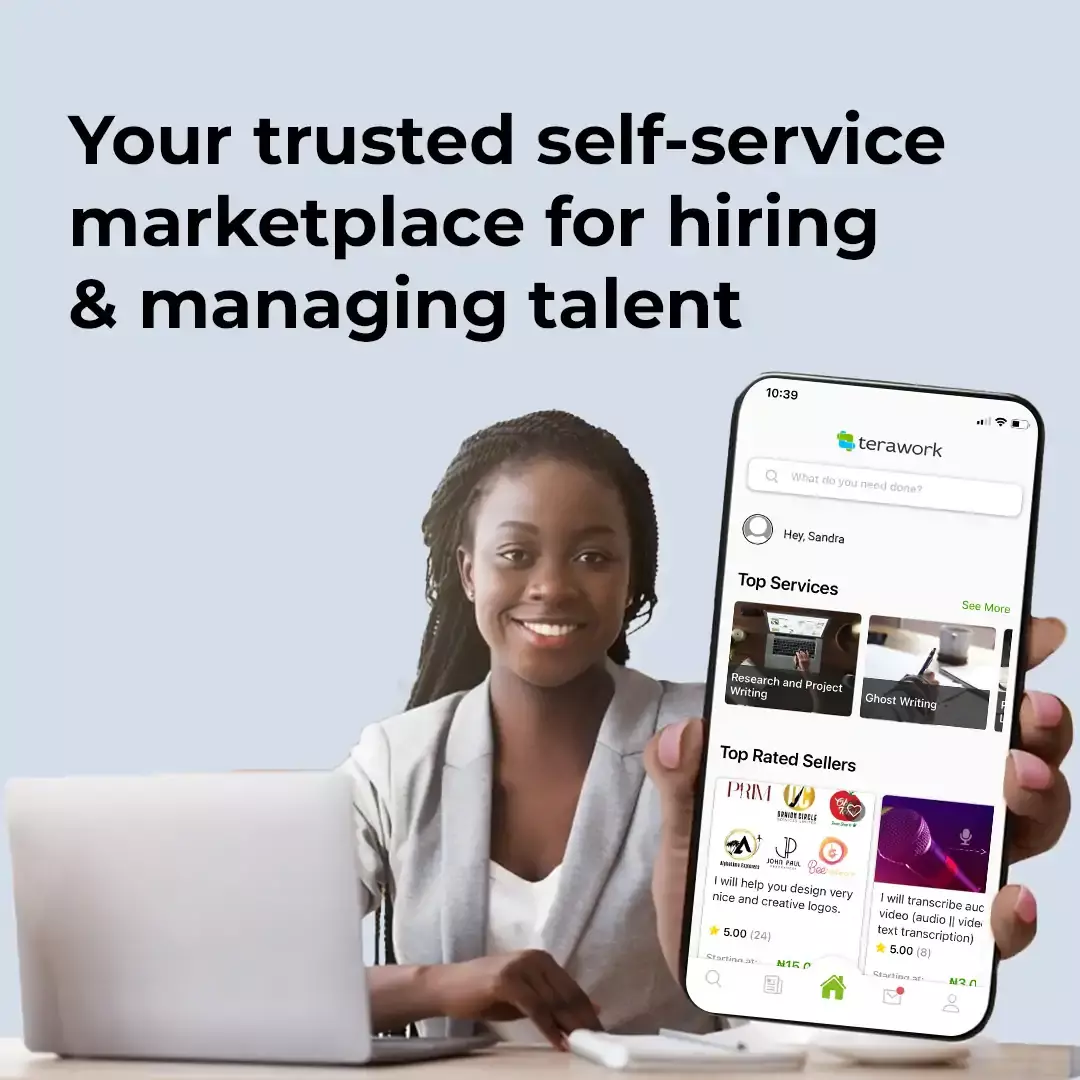
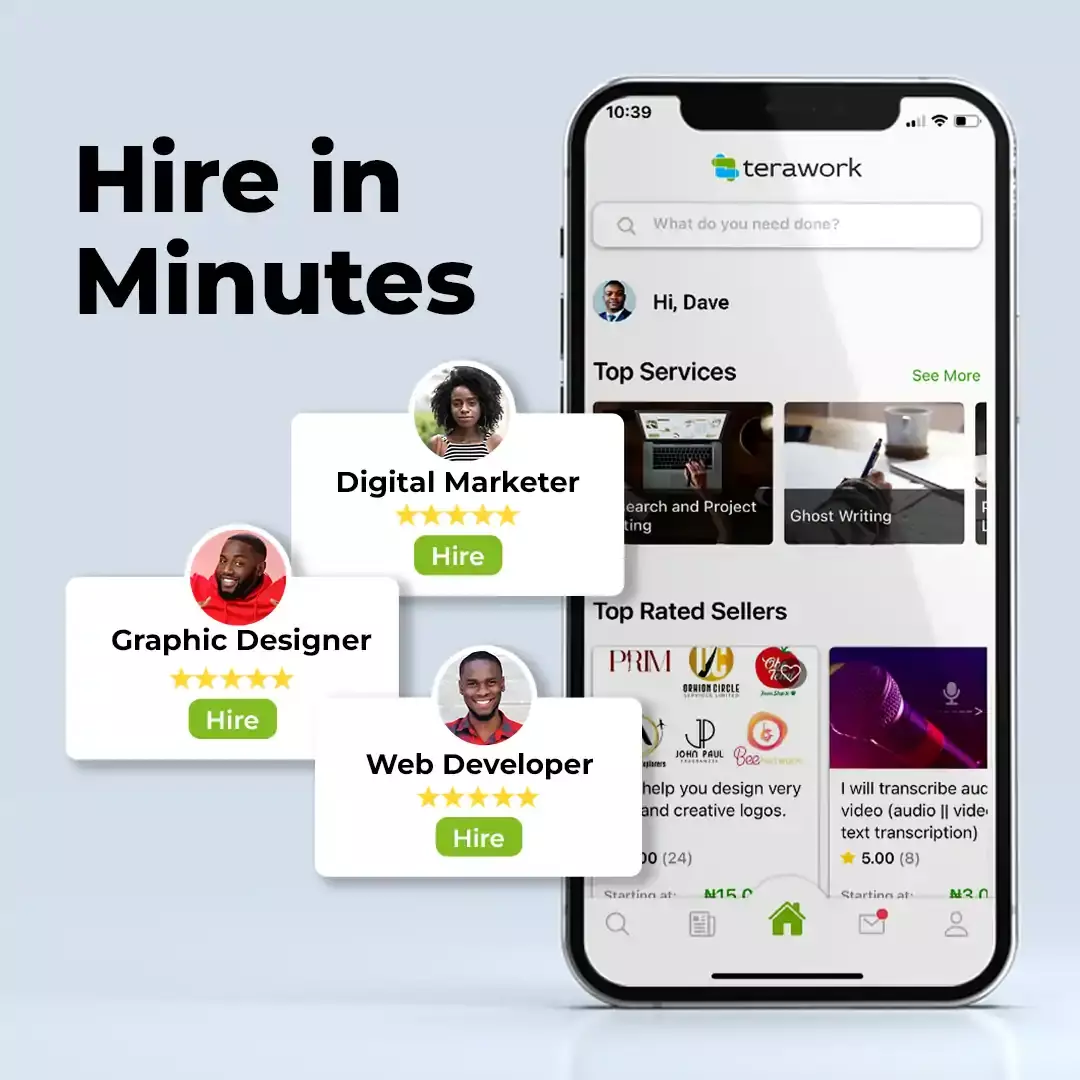
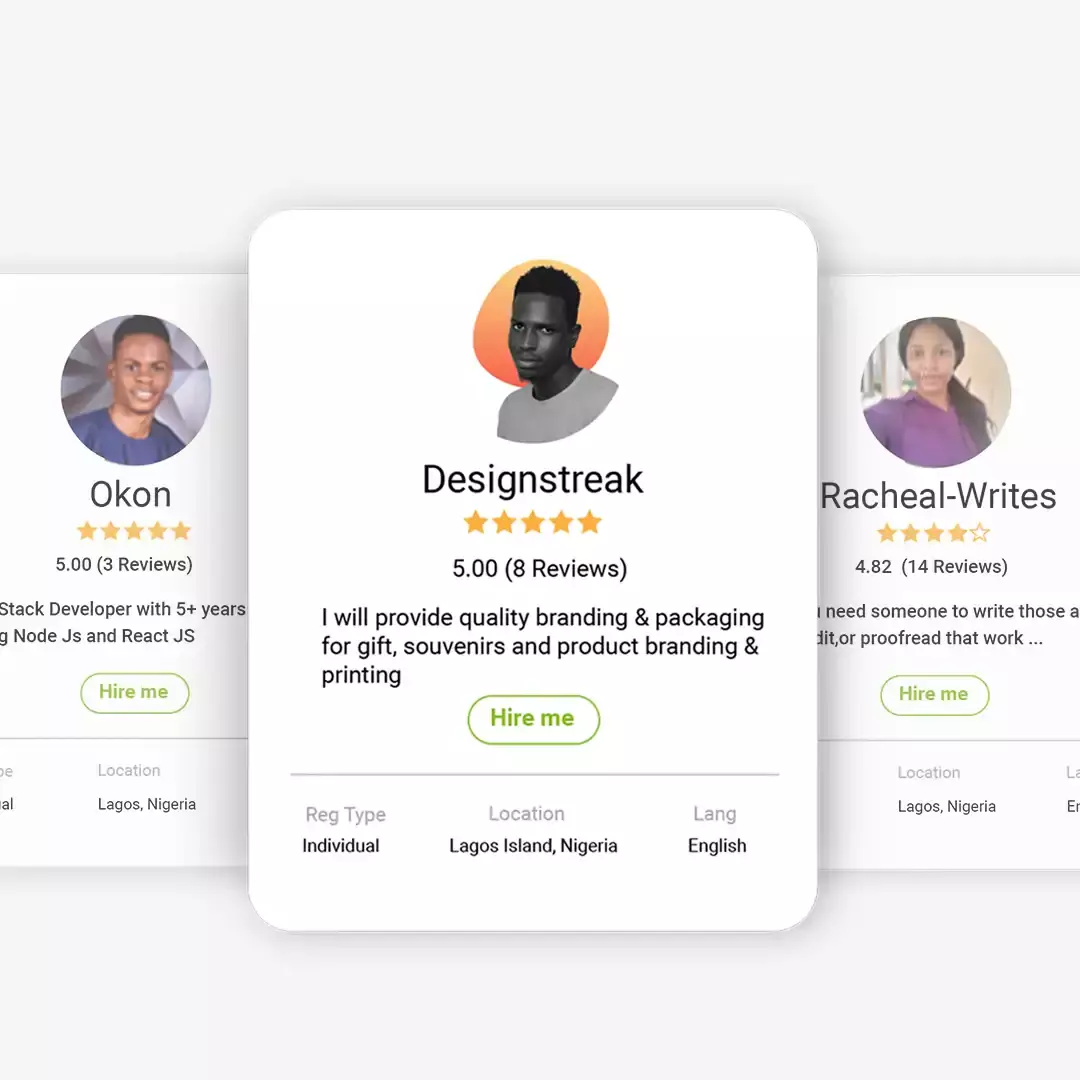
Businesses looking for specialised professionals can explore freelance talent on TERAWORK.
The goal is not to replace employees with freelancers. Instead, freelancers can complement the core team when specialised skills are required.
Consider Contract Talent for Temporary Business Needs
Some business needs last longer than a short freelance project but do not justify a permanent position.
Contract talent can be useful in these situations.
For example, an SME may need:
- A project manager for a six-month project.
- Additional customer support during a busy period.
- A finance professional during a restructuring exercise.
- A sales professional for a specific campaign.
- Technical support during a product implementation.
Contract professionals allow businesses to access the skills they need for a defined period.
This can give SMEs greater flexibility while they assess their long-term workforce requirements.
Outsource Functions That Do Not Need to Be Built In-House
Some business functions require ongoing attention but do not necessarily need to be managed internally.
In these cases, outsourcing may be more practical than building an entire department.
SMEs may consider outsourcing functions such as:
- Customer support
- Payroll administration
- IT support
- Digital marketing
- Accounting
- Administrative support
- Recruitment
- Back-office operations
With outsourcing, an external team manages an agreed function on behalf of the business.
This can give SMEs access to specialised expertise while allowing their internal employees to focus on core business activities.
Businesses can explore outsourcing solutions from TERAWORK.
Build a Flexible Workforce
A high-performing SME team does not have to consist entirely of full-time employees.
Instead, businesses can combine different talent models based on their needs.
For example:
Core team: Full-time employees responsible for essential business functions.
Specialists: Freelancers who provide expertise for specific projects.
Contract professionals: Talent brought in for defined periods or assignments.
Outsourced teams: External professionals managing specific business functions.
This flexible workforce model allows SMEs to increase or reduce capacity based on actual demand.
Prioritise Skills Over Headcount
A common mistake in hiring for small businesses is measuring team strength by the number of employees.
A team of ten people is not automatically better than a team of five.
What matters is whether the team has the skills required to achieve its goals.
For example, an SME may have several employees but still struggle because it lacks:
- Sales expertise
- Financial management skills
- Technical expertise
- Marketing capability
- Customer service experience
Adding more general employees may not solve the problem.
Instead, the business should identify the missing capability and find the right professional to provide it.
Ask, “What capability are we missing?” rather than, “How many people should we hire?”
Know When It Is Time to Hire a Full-Time Employee
Flexible talent can help SMEs manage changing workloads. However, there are situations where full-time hiring makes sense.
Consider hiring a full-time employee when:
- The role is essential to daily operations.
- The workload is consistently high.
- The skill is needed throughout the year.
- The role requires close collaboration with the internal team.
- The position contributes directly to long-term growth.
- The company can comfortably sustain the employment cost.
When a business is ready for a permanent role, TERAWORK’s full-time hiring solution can help businesses find suitable professionals.
The key is timing. Hiring should support business growth rather than create financial pressure before the business is ready.
Know When You Should Not Hire Yet
Sometimes, the best hiring decision is to wait.
You may not need a full-time employee if:
- The workload is temporary.
- The required skill is highly specialised.
- The project has a defined end date.
- The workload is unpredictable.
- Your existing team has enough capacity.
- You are still testing whether the function is necessary.
- The business cannot comfortably support another permanent salary.
In these situations, freelance, contract, or outsourcing options may provide a better solution.
This gives the business time to understand actual demand before making a long-term commitment.
Improve Your Existing Team Before Hiring Again
Hiring is not always the answer to a performance problem.
Before adding another employee, examine how the current team is working.
Ask:
- Are responsibilities clearly defined?
- Are employees working on the right tasks?
- Are there unnecessary processes?
- Does the team have the right tools?
- Do employees need additional training?
- Are managers providing enough direction?
- Could automation remove repetitive work?
Sometimes, improving processes can solve a problem that initially looked like a staffing issue.
For example, automation may reduce the amount of repetitive administrative work handled by employees. This can free up existing team members without requiring an additional hire.
Do Not Hire Before You Understand the Role
One of the biggest mistakes SMEs make is starting recruitment before defining the actual requirement.
A business may say, “We need a marketer.”
But what does that mean?
Does the business need someone to:
- Manage social media?
- Generate leads?
- Run paid advertising?
- Create content?
- Develop a marketing strategy?
- Manage the entire marketing function?
These are very different requirements.
The clearer the business is about the problem, the easier it becomes to identify the right talent.
Clear role definition also makes it easier to decide whether the business needs a full-time employee, freelancer, contract professional, or outsourced team.
How TERAWORK Helps SMEs Hire Smarter
Smart hiring does not always begin with a job description.
Sometimes, it begins with a business problem.
An SME may know that customer demand is increasing, productivity is falling, or a new project requires additional expertise. However, the business may not know what type of talent it needs.
This is where TERAWORK can help.
TERAWORK helps businesses understand their workforce requirements and identify an appropriate hiring solution based on the nature of the work.
Depending on the business need, the solution could involve:
- Full-time hiring
- Freelance talent
- Contract professionals
- Project-based support
- Outsourcing
TERAWORK can help businesses define the talent requirement, source professionals, review applications, and identify suitable candidates.
If you are unsure about the best way to structure your next hire, speak with TERAWORK about your hiring requirement.
The goal is simple: help businesses hire the right talent without creating unnecessary workforce costs.
A Simple SME Hiring Strategy to Avoid Overhiring
Before adding a new person to your team, use this five-step workforce planning process.
Step 1: Define the Business Problem
Start with the problem you want to solve.
Do not begin with a job title. Begin with the business need.
Step 2: Identify the Required Skills
Determine the skills and experience required to solve the problem.
Be specific. The more clearly you define the required skills, the easier it becomes to find suitable talent.
Step 3: Determine How Long You Need the Skill
Consider whether you need the skill for:
- A few days
- Several weeks
- A few months
- An ongoing period
The duration can help determine the most appropriate talent model.
Step 4: Choose the Right Talent Model
Match the business need with the appropriate hiring solution.
| Business Need | Potential Solution |
|---|---|
| Permanent core role | Full-Time Hiring |
| Specialised project | Freelance Talent |
| Temporary or defined-period role | Contract Talent |
| Entire function or team | Outsourcing |
| Unclear hiring requirement | Smart Hiring Consultation |
Step 5: Get Professional Hiring Support When Needed
You do not have to make every hiring decision alone.
If you are unsure about the type of professional you need, expert hiring guidance can help you avoid an expensive mistake.
A hiring consultation can help you clarify the role, define the required skills, and determine the most appropriate talent solution.
How to Build a High-Performing Team as Your SME Grows
Building a strong team is an ongoing process. As your business grows, your workforce requirements will change too.
Review your team regularly and ask:
- Which roles are essential to growth?
- Which skills are missing?
- Which tasks are temporary?
- Which functions could be outsourced?
- Which employees need additional support or training?
- Where is the business experiencing capacity problems?
This regular review helps your hiring strategy evolve with the business.
It also reduces the risk of making permanent hiring decisions based on temporary problems.
The Goal Is Not to Hire Less. It Is to Hire Smarter.
Building a high-performing team does not mean avoiding full-time employees.
It means understanding when full-time hiring makes sense and when another talent model may be more appropriate.
For some businesses, the answer will be a permanent employee.
For others, it may be a freelancer, contract professional, or outsourced team.
The best approach depends on the work, the required skills, the duration of the need, and the company’s financial capacity.
For SMEs, smart hiring is about matching the right talent model to the right business need.
When you get this right, you can build a capable team, control workforce costs, and create the flexibility needed to grow.
Frequently Asked Questions About SME Hiring
How can SMEs build high-performing teams?
SMEs can build high-performing teams by identifying the skills they need, defining clear roles, improving existing processes, and choosing the right mix of full-time, freelance, contract, and outsourced talent.
How can SMEs avoid overhiring?
SMEs can avoid overhiring by understanding their workload before recruiting. Businesses should consider the required skills, duration of the need, existing team capacity, and whether the role is truly permanent.
Should SMEs hire freelancers instead of full-time employees?
Not necessarily. Freelancers are useful for specialised and project-based work, while full-time employees are often better for permanent roles that require consistent involvement in the business.
When should an SME consider outsourcing?
An SME should consider outsourcing when it needs an ongoing function or team but does not need to build and manage the entire function internally.
When should an SME hire a full-time employee?
An SME should consider full-time hiring when the role is essential, the workload is consistent, the required skills are needed long term, and the business can comfortably support the associated employment costs.
What if I do not know what type of talent I need?
If you are unsure whether you need a full-time employee, freelancer, contract professional, or outsourced team, a hiring consultation can help you understand the business requirement and choose the appropriate talent model.
Can TERAWORK help SMEs find full-time employees?
Yes. TERAWORK provides full-time hiring support for businesses looking for suitable professionals for permanent roles.
Can TERAWORK help businesses find freelancers?
Yes. Businesses can access professionals with specialised skills for project-based and flexible work through TERAWORK.
Does TERAWORK provide outsourcing services?
Yes. TERAWORK provides outsourcing solutions for businesses that want external professionals or teams to manage specific functions.
Final Takeaway
A high-performing team is not necessarily the biggest team.
For SMEs, the better approach is to build a workforce around actual business needs.
Start by understanding the work. Identify the required skills. Determine how long you need those skills. Then choose the right talent model.
If you are unsure where to start, consult TERAWORK about your hiring needs.
Hire for the work you need today, while building the workforce you need for tomorrow.