Hire a Virtual Assistant for Your Startup: Roles, Costs and How to Choose
Running a startup often means wearing several hats. One moment, you are attending a client meeting; the next, you are responding to emails, scheduling appointments, updating records or following up on outstanding tasks.
While these responsibilities are important, handling all of them personally can take valuable time away from product development, sales, customer relationships and business growth.
Hiring a virtual assistant for your startup can help you delegate routine business responsibilities to a professional who can work remotely. This allows you to focus more attention on the activities that require your direct involvement.
However, finding the right virtual assistant involves more than hiring someone who can perform administrative tasks. You need a professional whose experience, skills and working arrangement match your business requirements.
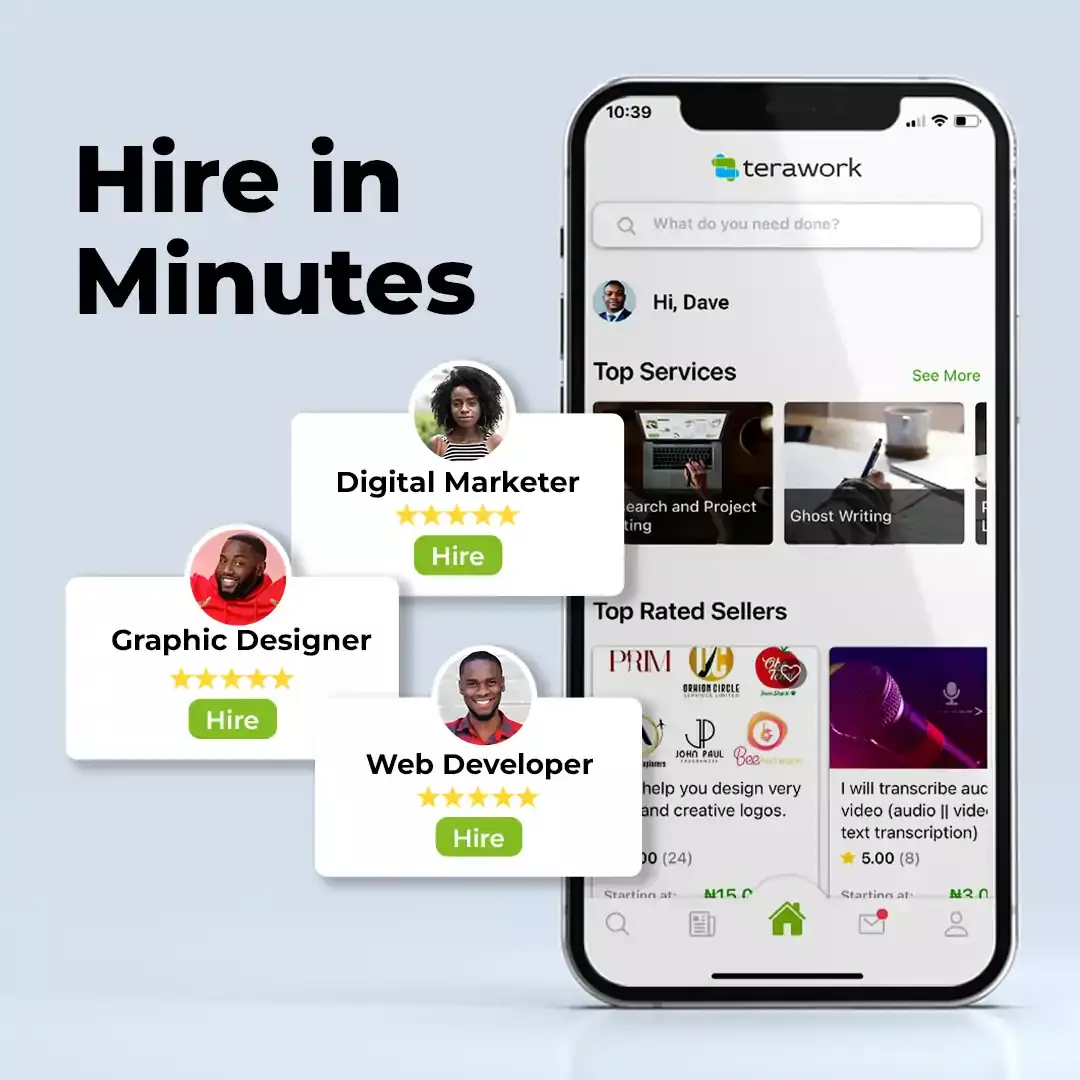
Through TERAWORK’s Virtual Assistance category, businesses can explore professional profiles, compare available information and identify services relevant to their needs.
This guide explains the different types of virtual assistants startups can hire, the responsibilities you can delegate and how to choose the right professional for your business.
Why Do Startups Need a Virtual Assistant?
In the early stages of a business, founders often handle responsibilities that would otherwise be distributed across different team members. This may include administrative work, customer enquiries, scheduling, research and routine operational tasks.
As the business grows, these responsibilities can become difficult to manage alongside strategic priorities.
A virtual assistant can help by taking ownership of specific tasks that do not require the founder’s direct involvement.
Some of the benefits include:
- More time for core business activities: Delegating routine responsibilities gives founders more time for sales, product development, partnerships and business planning.
- Better organisation: An assistant can help maintain calendars, organise records, track tasks and coordinate appointments.
- Improved customer communication: A customer support assistant can help manage routine enquiries and ensure messages are handled consistently.
- Flexible support: Startups can explore part-time, dedicated or other engagement arrangements based on the volume of work.
- Access to specialised support: Businesses can find professionals with experience in specific areas instead of expecting one person to handle every operational responsibility.
The objective is not simply to reduce your workload. It is to make sure important business activities are handled consistently while you concentrate on growing the company.
Which Type of Virtual Assistant Should Your Startup Hire?
Before hiring a virtual assistant, identify the tasks that are taking up the most time or preventing your team from working efficiently.
The role you need should be determined by the work, not simply by the job title.
1. Administrative Virtual Assistant
An administrative virtual assistant handles routine responsibilities that keep daily business operations organised.
Depending on your requirements, these tasks may include:
- Managing appointments and scheduling meetings.
- Organising digital documents and business records.
- Updating spreadsheets and databases.
- Preparing documents and presentations.
- Managing routine email correspondence.
- Conducting online research.
This type of assistant may be suitable for an early-stage startup whose founder is still handling administrative work personally.
When hiring, specify the systems the assistant will use, the tasks they can complete independently and the responsibilities that require your approval.
2. Virtual Executive Assistant
A virtual executive assistant supports a founder, CEO or senior manager with executive responsibilities and important business commitments.
Typical responsibilities may include:
- Managing complex calendars and appointments.
- Preparing meeting schedules and briefs.
- Coordinating investor and client meetings.
- Tracking important follow-ups.
- Arranging business travel.
- Managing confidential correspondence.
This role may be useful when a founder manages several business commitments and needs someone who can help organise priorities and ensure important activities are not overlooked.
Prioritise candidates who can demonstrate sound judgement, discretion and experience managing competing priorities, not just the ability to schedule meetings.
3. Customer Support Virtual Assistant
If customer enquiries are building up across email, chat or social media, a customer support virtual assistant may be the right option.
Depending on the business, responsibilities may include:
- Responding to routine customer enquiries.
- Managing email and chat communications.
- Providing approved product or service information.
- Recording customer complaints and feedback.
- Escalating complex issues to the appropriate team member.
- Maintaining customer support records.
Before hiring, define the questions the assistant can answer, the issues that must be escalated and the response times your business expects.
If you already use a customer relationship management system or customer support tool, include it in your job brief so you can assess candidates with relevant experience.
4. Operations and Project Coordination Assistant
When tasks are assigned but deadlines, follow-ups and records are repeatedly missed, an operations or project coordination assistant may help.
This professional can support your team by:
- Maintaining task trackers.
- Monitoring agreed deadlines.
- Preparing meeting notes.
- Documenting recurring processes.
- Following up on outstanding assignments.
- Organising operational information.
Be clear about the role’s responsibilities. Tracking project progress is different from owning project strategy, budgets or delivery outcomes.
5. Research-Focused Virtual Assistant
If information gathering and research keep getting postponed, consider a virtual assistant with research experience.
Depending on the assignment, this professional may help with:
- Online research and information gathering.
- Competitor information collation.
- Preparing organised research summaries.
- Updating business databases.
- Collecting and organising information in spreadsheets.
When defining the assignment, specify the research objective, the information required, acceptable sources and the format of the final report.
Should You Hire a Full-Time, Part-Time or Dedicated Virtual Assistant?
After identifying the type of support you need, consider how frequently the work must be performed.
The right arrangement depends on your workload, the level of availability required and how closely the assistant needs to work with your team.
Part-Time Virtual Assistant
A part-time virtual assistant may be sufficient when your startup has a smaller recurring workload or needs support during specific hours.
For example, you may need someone to manage your calendar, organise records, conduct weekly research or respond to customer messages for an agreed number of hours.
This arrangement can be appropriate when you need regular support without requiring someone throughout the entire working day.
Full-Time Virtual Assistant
A full-time virtual assistant may be appropriate when the workload is substantial and consistent, with responsibilities that require attention across much of the working day.
For instance, a startup handling a high volume of customer enquiries or several recurring administrative responsibilities may require more dedicated support.
Before choosing this arrangement, assess the actual workload and determine whether the responsibilities justify a full-time commitment.
Dedicated Virtual Assistant
A dedicated virtual assistant works with your business on an agreed, continuing basis. This can be useful when the professional needs to become familiar with your processes, customers, systems and communication preferences.
The term describes the nature of the working relationship rather than a separate job function. A dedicated assistant may also work part-time or full-time, depending on the agreement.
Before choosing an arrangement, estimate how often each task occurs, how long it takes and whether it requires immediate attention. A short-term backlog may call for project-based help, while recurring daily responsibilities may justify ongoing support.
How Much Does It Cost to Hire a Virtual Assistant?
The cost of hiring a virtual assistant depends on the responsibilities involved, the professional’s experience, the expected workload and the engagement arrangement.
An assistant handling routine data entry and appointment scheduling may have different pricing from an executive assistant managing complex calendars, confidential correspondence and senior-level commitments.
Some factors that influence the cost include:
- Nature of the work: Administrative support, customer service, executive assistance and research require different levels of experience and responsibility.
- Professional experience: A candidate’s relevant work history and ability to manage responsibilities independently may influence their rates.
- Working hours: The number of hours and level of availability required will affect the engagement.
- Tools and systems: Some assignments require familiarity with specific project management, customer relationship management or business applications.
- Engagement duration: A short-term assignment may have different terms from an ongoing working relationship.
Before comparing prices, define the tasks, expected output and working hours. This makes it easier to compare professionals based on the actual service they are offering rather than price alone.
How to Choose the Right Virtual Assistant for Your Startup
Once you understand the type of support you need, evaluate candidates against the responsibilities you intend to delegate.
1. Look for Relevant Experience
Ask candidates for examples of similar responsibilities they have handled.
Experience managing an executive calendar may be more relevant than general administrative experience if your main need is executive support.
Focus on evidence that the candidate understands the work and can handle the responsibilities involved.
2. Check Familiarity with Relevant Tools
Identify the software and systems the assistant will use.
Depending on the role, these may include:
- Google Workspace and Microsoft Office.
- Calendar and scheduling applications.
- Project management tools.
- Customer relationship management systems.
- Communication and collaboration platforms.
- Spreadsheet and document management applications.
Focus on the tools required for the job rather than demanding an unnecessarily long list of software skills.
3. Assess Communication and Prioritisation
A virtual assistant may work remotely, but that does not make communication any less important.
Give candidates a realistic scenario. For example, ask how they would handle a meeting that needs rescheduling while several customer enquiries and an urgent deadline are pending.
Their response can help you assess judgement, organisation and communication.
4. Define the Expected Deliverables
Specify what completed work looks like.
Depending on the role, this might be:
- An updated calendar.
- A maintained task tracker.
- A daily customer enquiry log.
- A weekly research summary.
- An organised document repository.
Clear deliverables make it easier to review performance and determine whether the engagement is meeting your expectations.
5. Agree on Access and Accountability
Establish how tasks will be assigned, how progress will be reported and which systems the assistant can access.
For confidential business or customer information, define appropriate permissions and confidentiality expectations before work begins.
These arrangements help protect your business while giving the assistant the information needed to perform the assigned responsibilities.
How to Find a Virtual Assistant on TERAWORK
Once you have identified the tasks you want to delegate, the next step is finding a professional whose experience matches your requirements.
TERAWORK’s Virtual Assistance category allows businesses to explore professional profiles and compare available information before deciding whom to engage.
Here is how to approach the process.
Step 1: Define the Work You Need Done
List the tasks you want to delegate, the tools involved, the expected output and the deadline.
Separate essential responsibilities from tasks that would be useful but are not immediately necessary.
For example, if you need administrative support, specify whether the assistant will manage your calendar, organise documents, update records or handle routine correspondence.
Step 2: Explore TERAWORK’s Virtual Assistance Category
Visit TERAWORK Virtual Assistance and review professional profiles that appear relevant to your requirements.
Use the services listed and the information provided on each profile to narrow your options.
Step 3: Compare Available Profile Information
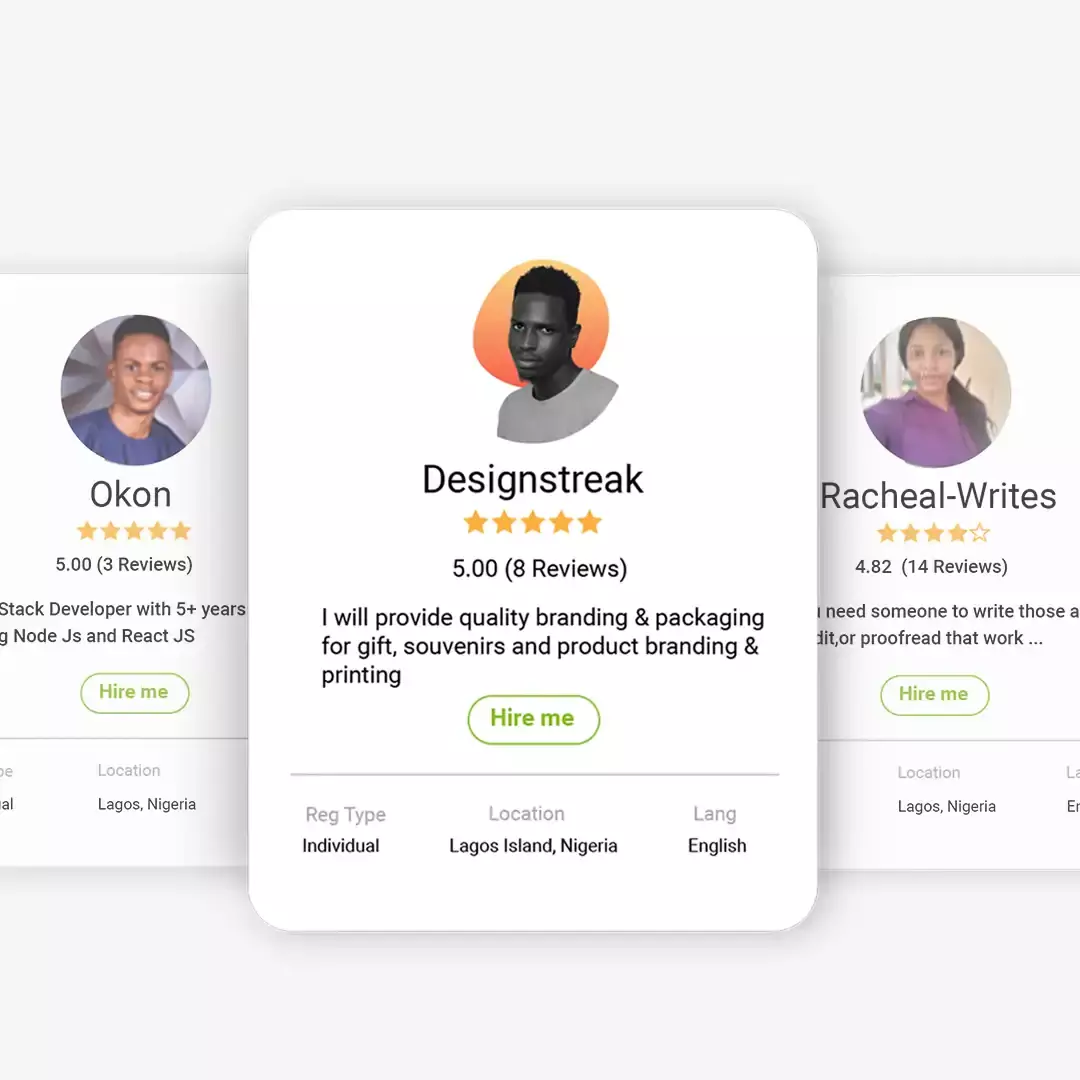
Where displayed, review a professional’s starting price, rating, job count and job-success rate alongside their stated services and experience.
Treat these as comparison points, not guarantees. Confirm that the candidate can perform the specific tasks in your brief.
Step 4: Post a Job and Invite Suitable Professionals
TERAWORK’s published hiring process allows businesses to create a job post and invite freelancers, with the option to invite additional freelancers.
Use a specific job description so invited professionals can understand the assignment and respond with a clear understanding of your requirements.
Step 5: Confirm the Working Terms
Before proceeding, agree on the scope, deadline, communication process and expected deliverables.
TERAWORK’s Virtual Assistance category describes a process in which a business hires its preferred freelancer, works with them and authorises payment.
Review the platform’s current terms and payment process before starting an engagement.
The advantage of this approach is that you can assess professionals against defined requirements and available profile information rather than making a decision based on a generic job title alone.
Find the Right Virtual Assistant for Your Startup
The right virtual assistant is not necessarily the person who can perform the most tasks. It is the professional whose experience matches the work your startup needs to get done.
Start by identifying the responsibilities taking up too much of your time. Decide whether you need administrative, executive, customer support, operations or research assistance. Then determine whether your workload calls for project-based, part-time or full-time support.
With a clearly defined brief, you can compare candidates more effectively and make a hiring decision based on your actual business requirements.
Ready to delegate specific tasks and create more room for your core business priorities?
Explore virtual assistance services on TERAWORK, compare relevant professional profiles and find a candidate whose services fit your startup’s requirements.